
Touch Art
Held on September 24th, 2026, the Touch Art event was a one-night, pop-up art show, featuring paintings, collage, photography, sculpture, illustration, comics, poetry, dance, acrobatics, tattooing, live-drawing, and a short-form documentary. In partnership with Watershed PDX, 4ARTSAKE showcased the work of 43 individual visual artists, and hosted powerful presentations and testimonials from art nonprofits and independent artists working throughout Portland. The event was free to attend, with free food and refreshments available, and throughout the course of the evening, roughly 600 people passed through the doors.
• OUR ARTISTS •
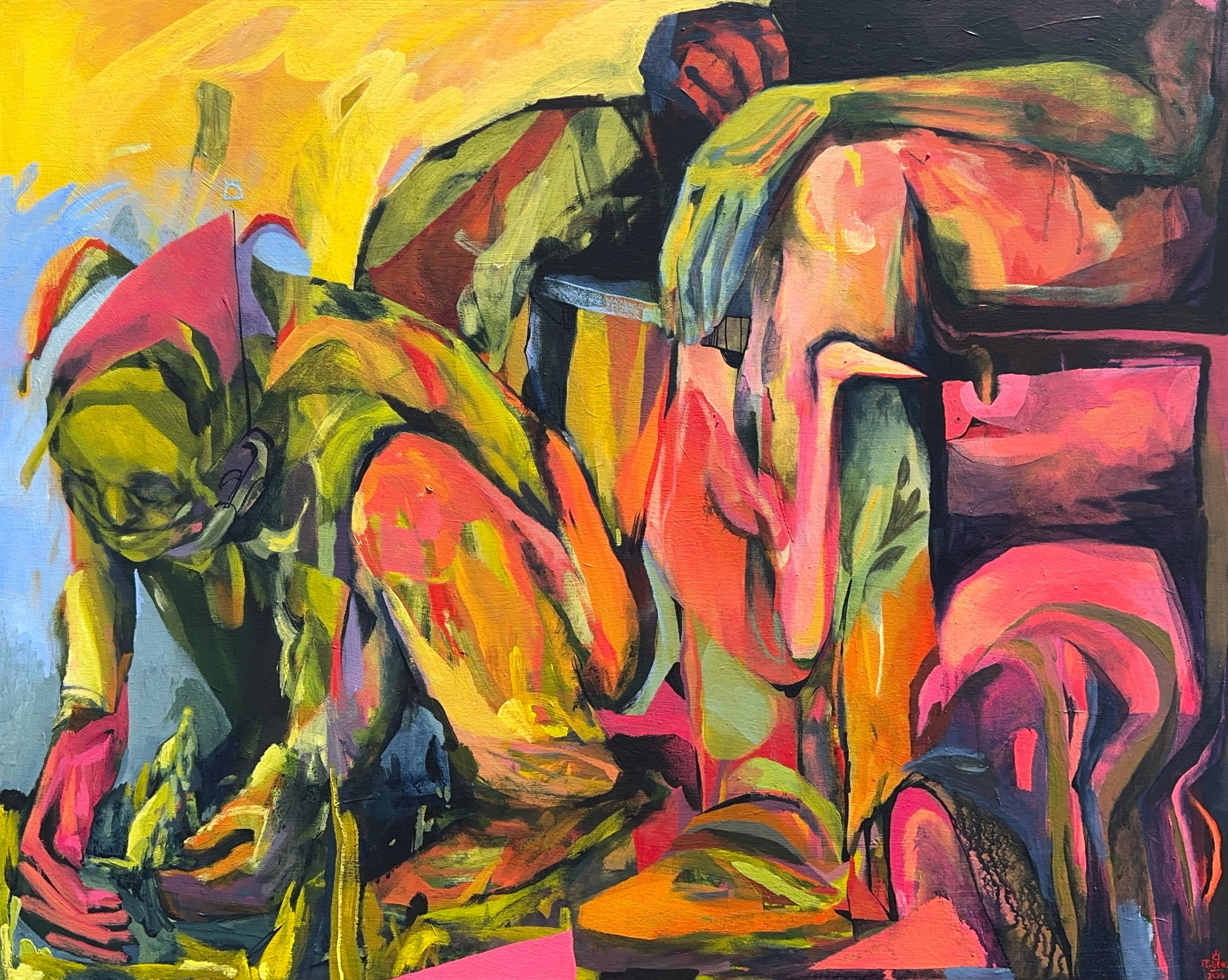
Tyler Bingham
My work is about change, human connection, and the passage of time. Utilizing acrylic paint, and colored pencils, on a variety of surfaces. I paint people from live observation in my studio, and have painted a mirror study self portrait every month since 2022. I also paint abstract work to share the things from my innermost world often into bright, energetic, and blossoming images.

David Jandron
My paintings explore the messy space between chaos and clarity. Built instinctively through layers of figures, faces, color, text and marks, the work pulls from memory, relationships and lived experience, often finding humor and beauty in things that aren’t particularly beautiful.

Megan Chin
small is all is a body of work by artist Megan Chin grounded in the principle “small is good, small is all. (The large is a reflection of the small.)” from adrienne maree brown’s book Emergent Strategy: Shaping Worlds, Shaping Change. Drawing from the natural world as an abundant model for inspiration, Chin explores how complexity and interconnectedness emerge from seemingly simple elements. Through experimentation with materials and process, the work highlights how nature’s small wonders—like a tree stump, a snail’s shell, or the branching of roots—reveal dynamic systems that sustain life. In doing so, small is all invites viewers to reconsider scale, value, and the potential for transformation.

Olivia Harwood
Olivia Harwood’s mystical, maximalist scenarios have been inspired by memories of childhood, personal experiences and monstrous feminine. Harwood’s work harnesses her anger and frustration, but also her fondness and love. It intertwines girlhood memories with current headlines and allows her to cope however she needs to.
With influence from feminist surrealism, her natural and material surroundings, and pop culture, Harwood creates a complex and loaded scenes. She empowers herself by painting her body in exposed positions, revealing and depicting experiences through a warped, surreal lens.

Lloyd Daylight
Angel Face Revisited features abstract interpretations of spiritual visions. The work is both accessible and somehow unreachable, taking up space in the edges of perception, trying to take the unknown and make it something nameable.

Sabrina Copeland
I am interested in dual states; in the states of recession and approach; I am interested in empty space; in the weight of absence; I am interested in the human form; in the undefined masses.
I deconstruct folk-narratives to reveal dissonance as complex dualities are strewn between what is deeply human and what is domesticated.

Ellen Blazich
Ellen Blazich makes paintings with colorful compositions that ride the line between abstraction and familiar forms. Often horizonless, they are both spacious and claustrophobic, whimsical and familiar, playful and dark.
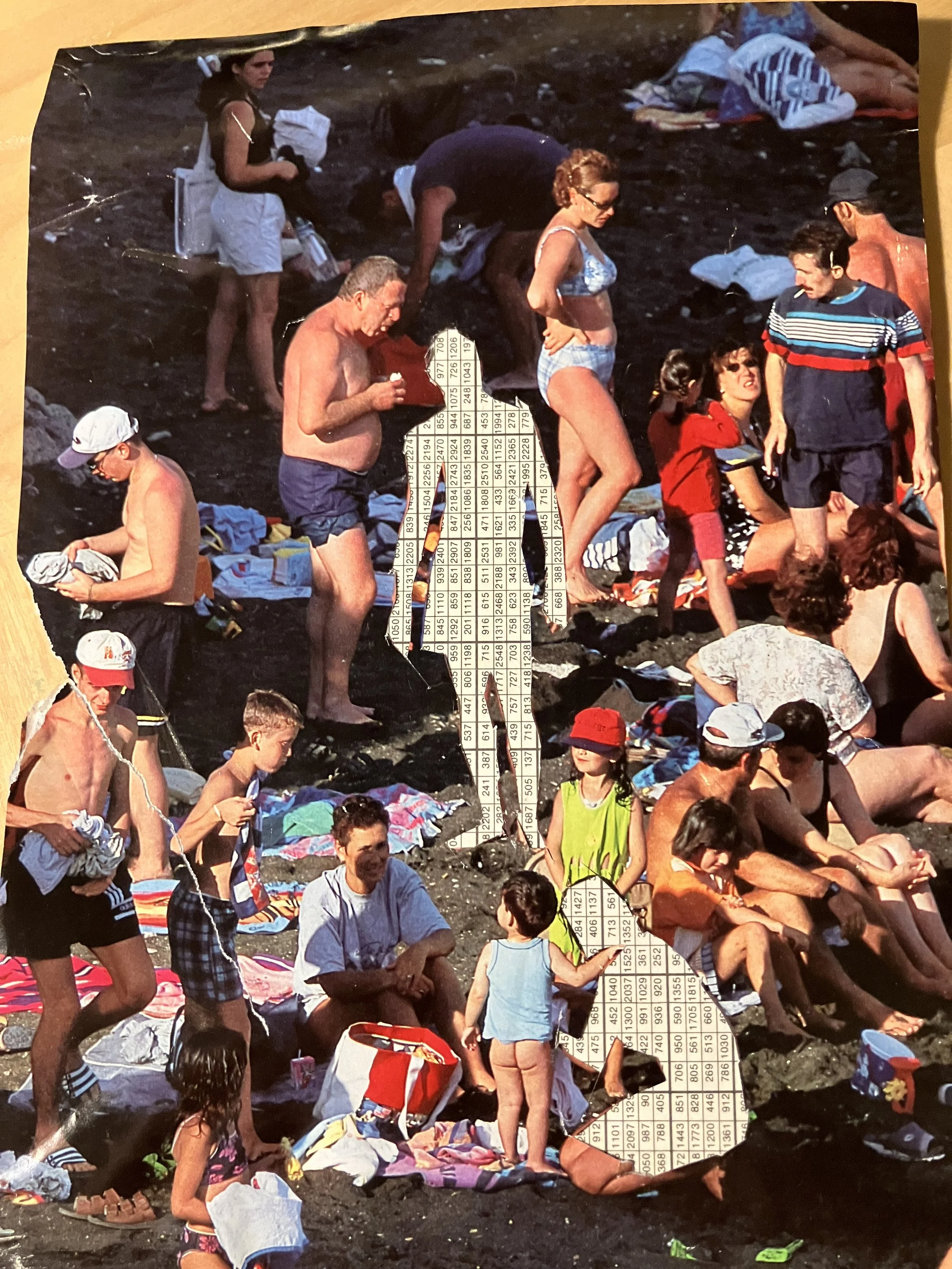
Colin Keating
Through collage, I seek to hijack the received images of mass media into social critique, an opportunity for reflection, or just plain silliness. I believe less is more, and only use the smallest number of elements for a piece — a maximalist I am not. Text is also an important part of my work, an opportunity to tease out new meanings from the juxtaposition of seemingly unrelated text and image.

Ro Hebert
Ro Hebert utilizes a variety of mediums, including oil, pencil, watercolor, and sculpture, to explore the concept of self as it relates to the body. Just as personality can be adapted and reconstructed, the body too can change and be rebuilt, just as it can be nurtured, loved, and respected as it is. Her work explores identity, choice, presence, and many other complex ideas around what it means to be a person, and what it means to live in your own skin.

Jess O’Farrell
As a queer person, I see the devotion that people in my community have for one another and the subsequent need to dismantle the heteronormative world’s binary system. The conflicts between tradition and defiance, spirituality and queerness are central to my work. Through traditional printmaking techniques, I appropriate the imagery and aesthetics of the Catholic Church to imbue the work with the aura that the church holds. I seek to actively sanctify queerness by redefining and recontextualizing divine aesthetics, not just by critiquing religion, but by inserting it into new spaces of spirituality.

Riley Michael Parker
My comic work is an exploration of the medium as a whole, pulling in a variety of styles within a single work to tell a story that changes frequently in tone and intention. I lean on the history of comics and time-tested techniques to draw the reader into a sense of comfort and familiarity, and then subvert expectations through dialogue and deep character study, taking the art form into new and uncharted territories.

Spencer Winans
Spencer makes figurative, abstract, occasionally narrative-based medium and large paintings working primarily in oil. His work is often intimate, surreal, or both, tapping into very human emotions but without explicitly declaring his intentions, allowing the viewer to take the work and make it their own.

Phoebe Mol
Phoebe Mol is a multidisciplinary artist, cartoonist, and arts educator based in Portland. The work is full of complex shapes resembling things found in nature, but pushing into uncanny spaces that go beyond simple tangible reality and into the realm of ideas and language.

Gunville's artworks are made from repurposed electronic cables, pressed against paper, making a mark with ink or paint. These marks come together to create larger landscapes, representing our changing ecologies.
Claire Gunville

Lily O’Donnell
“Stupid Comics from a Dumb Life” is a celebration of novelty and unpredictability in the life of a young artist. Pulling from her own true-life experiences, Lily tells stories about being alive and happy in a world filled with weird people, creepy bosses, and the good friends that help make things a little easier day-to-day.

Jil Wierenga
This process-driven series utilizes strict parameters and generative play to explore multidimensional forms in a 2D format.
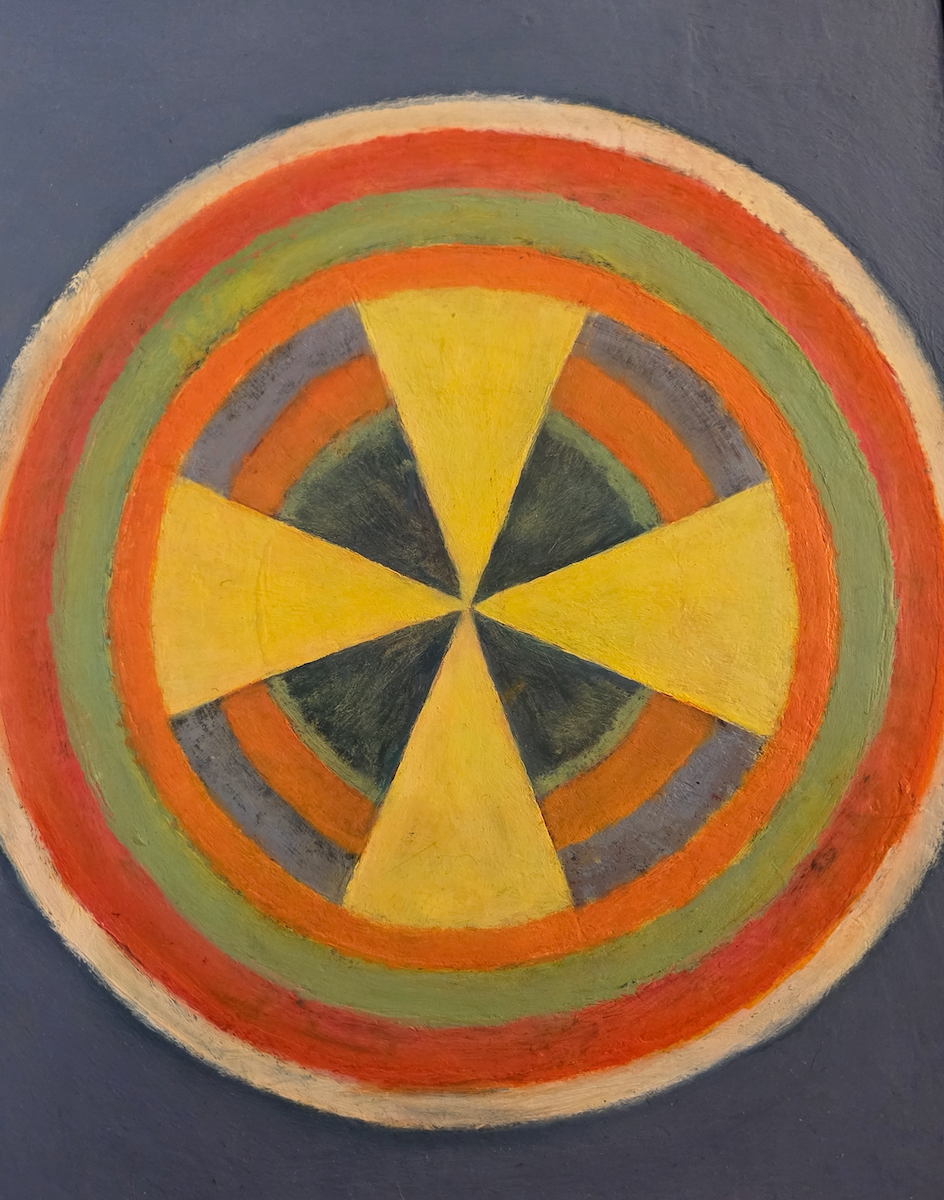
Terrence Hughes
I tend to work geometric images by exploiting the positive/ negative aspect of shapes to create a dualistc illusion. Sometimes my paintings reveal recognizable icons or symbols that morph into alternate symbols. This dualistc illusion challenges the viewers perception by refusing the locus of a center.

Erin Tanner
Erin Tanner is a poet and comic artist who makes tender, comedic pieces that mix elements of fantasy and the real world to create a unique space that is all his own.

Kayla Carlson
Kayla is influenced by landscapes, dreams and fantasies, memories and nostalgia, mythology, metaphysics, magical realism, songwriting and poetry as tools for self-discovery, and aim to express the feelings and experiences these elements evoke through her visual art.
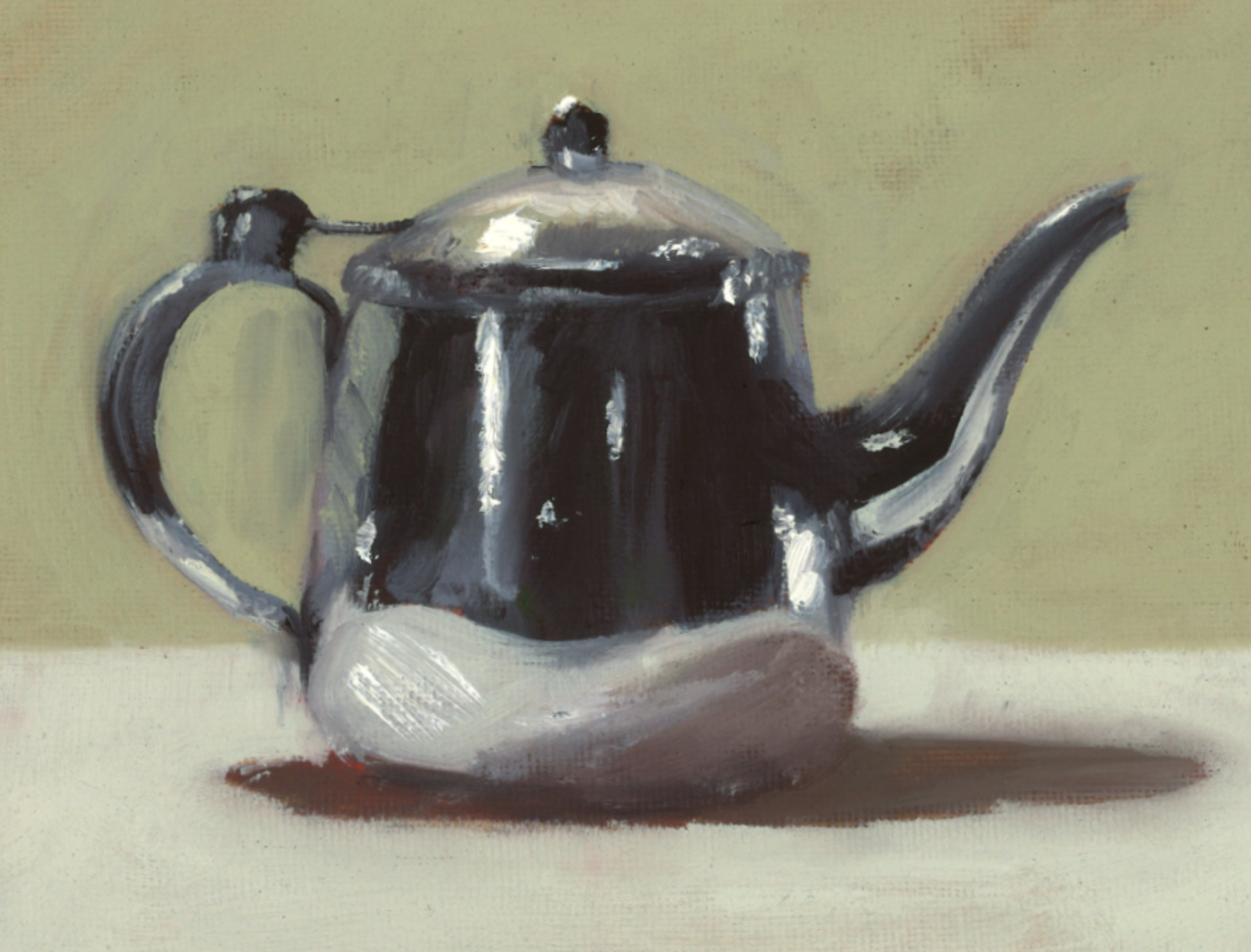
Tilly Luna
These pieces are some of my first attempts at oil painting. Though I have no formal training, I’ve been drawing most of my life. In January I finally took the plunge into oils, starting with the basics and then moving to still life, which is also new to me. I am currently working on new bodies of work for the coming year. I hope to be in more shows and I’m excited to see what the future holds. Enjoy!
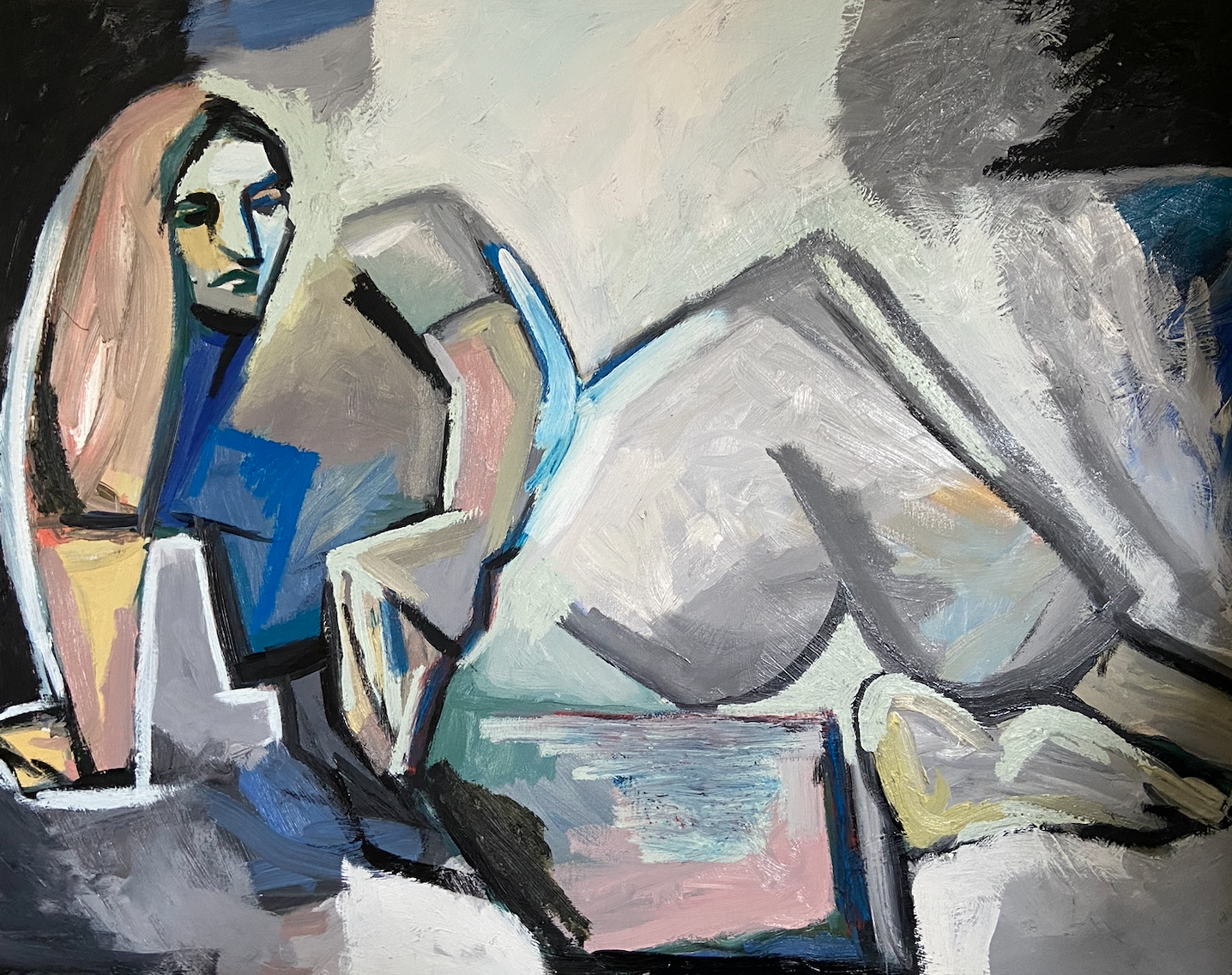
Dillon Witt
Witt is an artist that explores a wide range of mediums, and subject matter. For this show he is presenting figurative paintings which make use of exaggeration or other abstract elements to synthesize sensuousness and cerebrality.
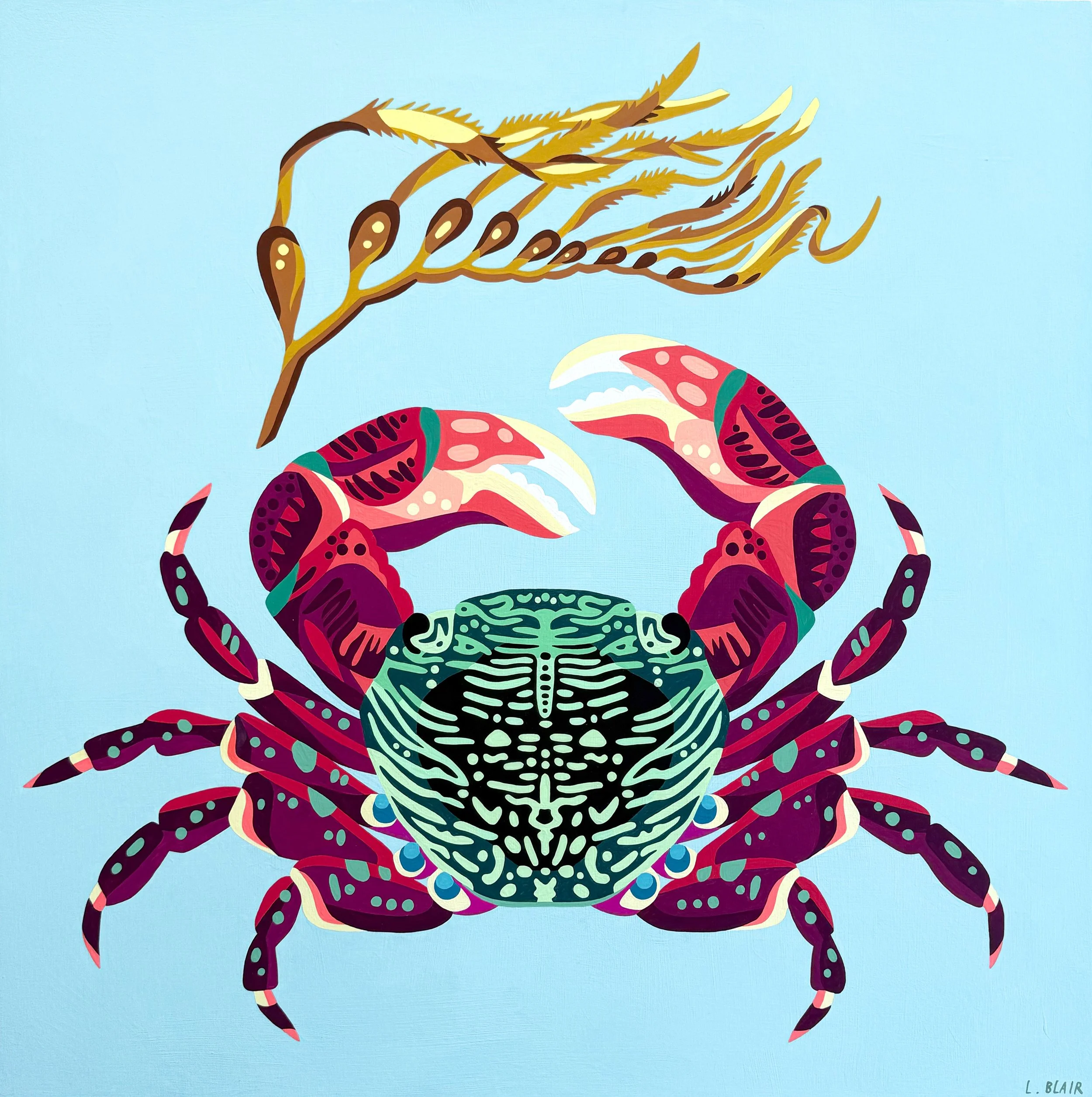
Lauren Blair
Lauren Blair is a multidisciplinary artist based in Portland, Oregon, whose work explores emotional resonance of the natural world. Drawing from her background in Studio Art and Ecology, she creates layered gouache paintings that highlight overlooked details of plants, insects, and wild spaces. Her practice centers nature as a site of memory, belonging, and refuge, inviting viewers to reconnect with moments of awe and consider their relationship to the environment. Through vibrant, observational work, she encourages care, curiosity, and a renewed sense of connection to the living world.
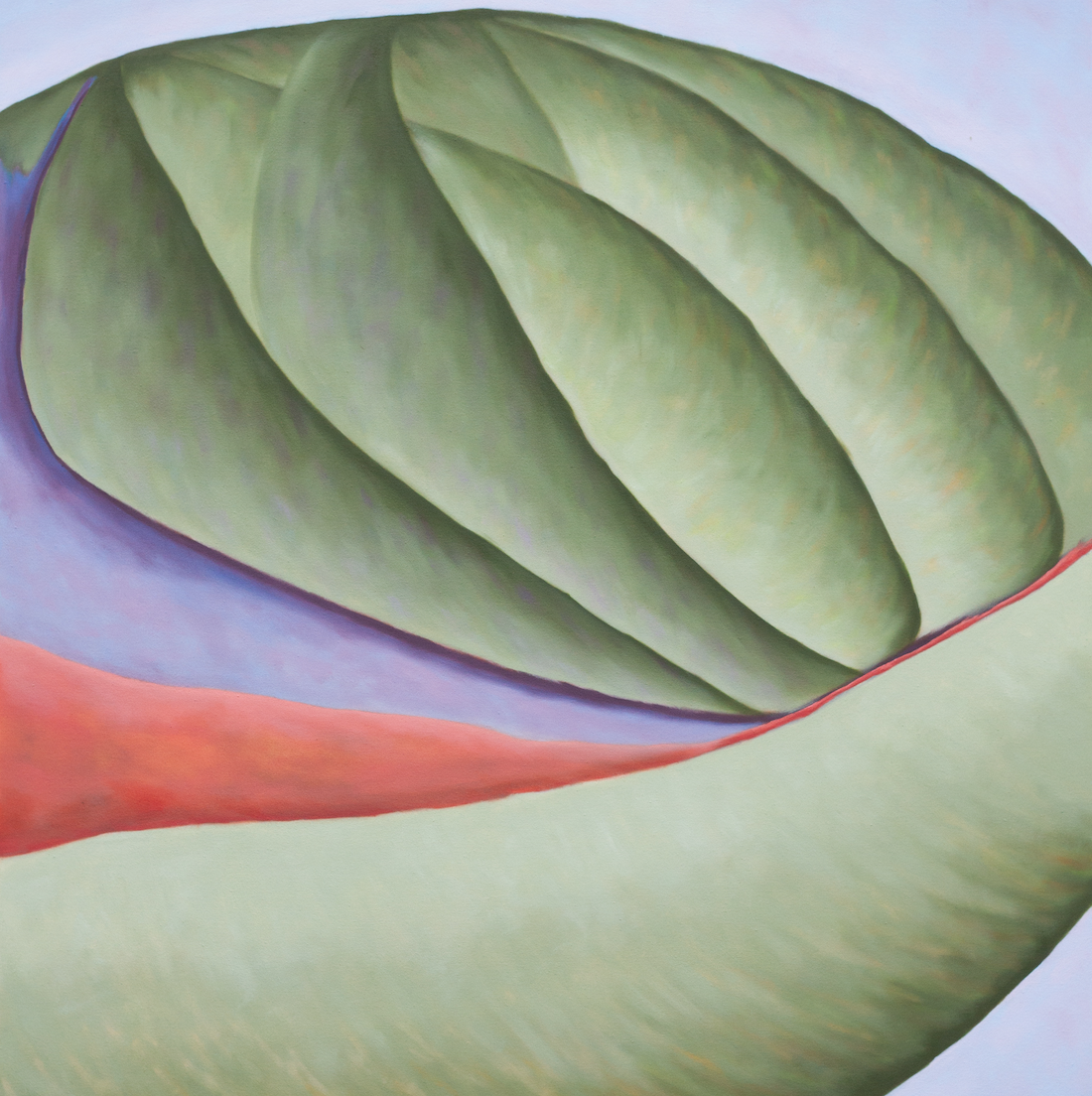
Cori McCullough
Cori McCullough is a multidisciplinary artist in Portland, OR. Their art practice is a balance of intuition and intention. The paintings sit between an outer reality and an inner landscape, where language emerges as color and form.
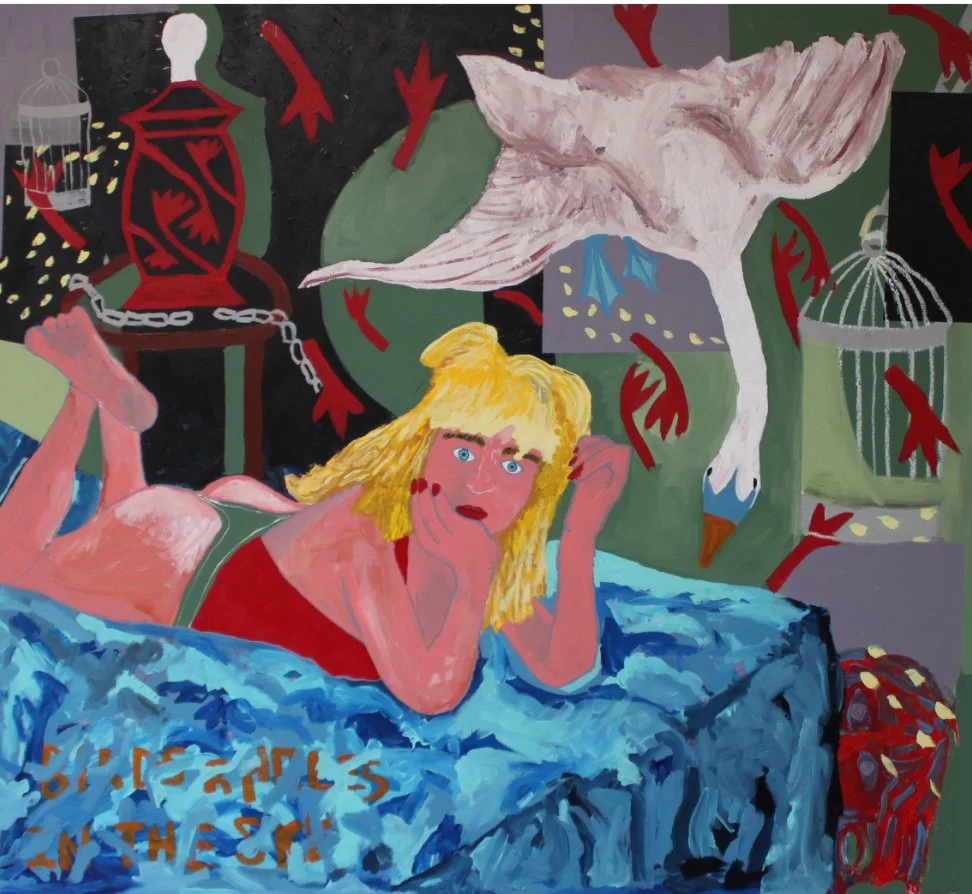
Zach Werbalowsky
Zach is multi-disciplined artist, working in wood sculpture, fiction, poetry, and paintings on canvas. He utilizes found materials, like scrap wood and house paint, letting what he has on hand dictate how his pieces take shape. As a painter, he approaches the past with “a hatred for nostalgia and memory”, using exaggerated features, outlandish colors, and impossible settings to show our fictional relationship with what we think we remember.
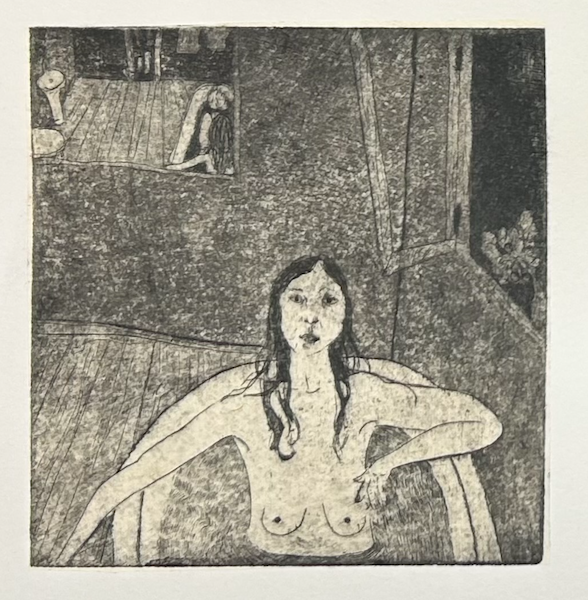
Iva Borrello
I enjoy capturing every day moments of people at home. I am fascinated by the sensory aspects of daily life, particularly in a home setting. When I make work, I like imagining the different smells sounds and textures within the scene.
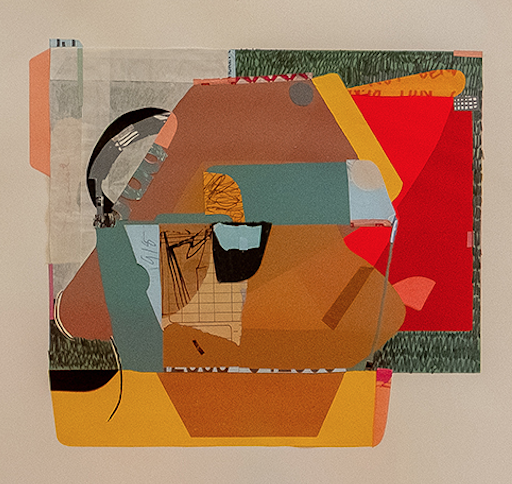
Elizabeth Arzani
These pieces ruminate on small big things. Arranged together they become a constellation of souvenirs, detritus, just-in-case notes combined with games of lost and found or sweet nothing gestures. Moments of daily ritual and serendipity are presented in an archive filled with holes and pockets full of memory.
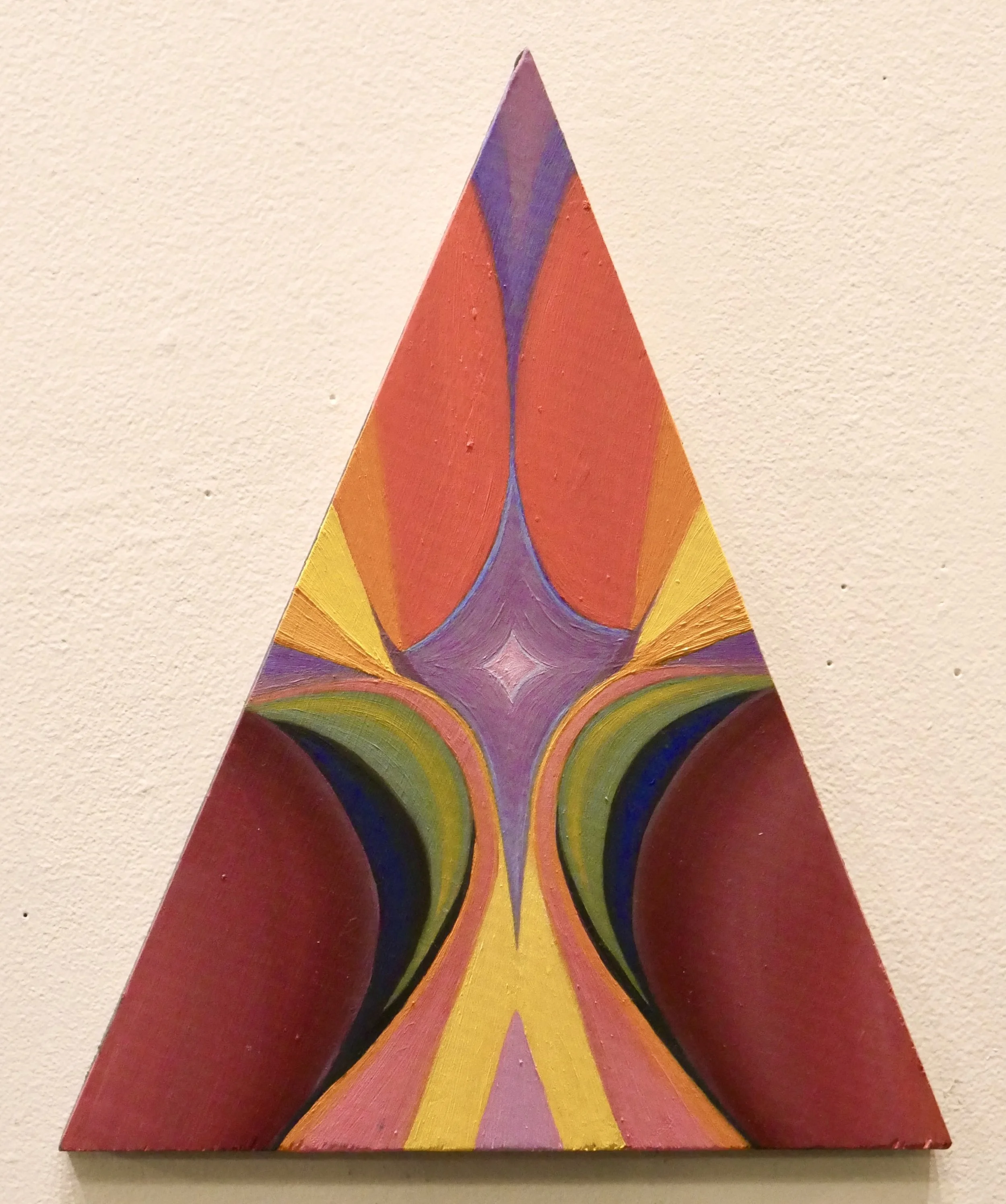
Samantha Ciminio
I make evocative and intuitive work that involves the visual, the etheric, and the embodied. My multidisciplinary work often explores the roots of cultures from an eco-feminist perspective, connection to the more than human world, lineages of healing and resilience, and reclamation of dynamic and playful self-expression.
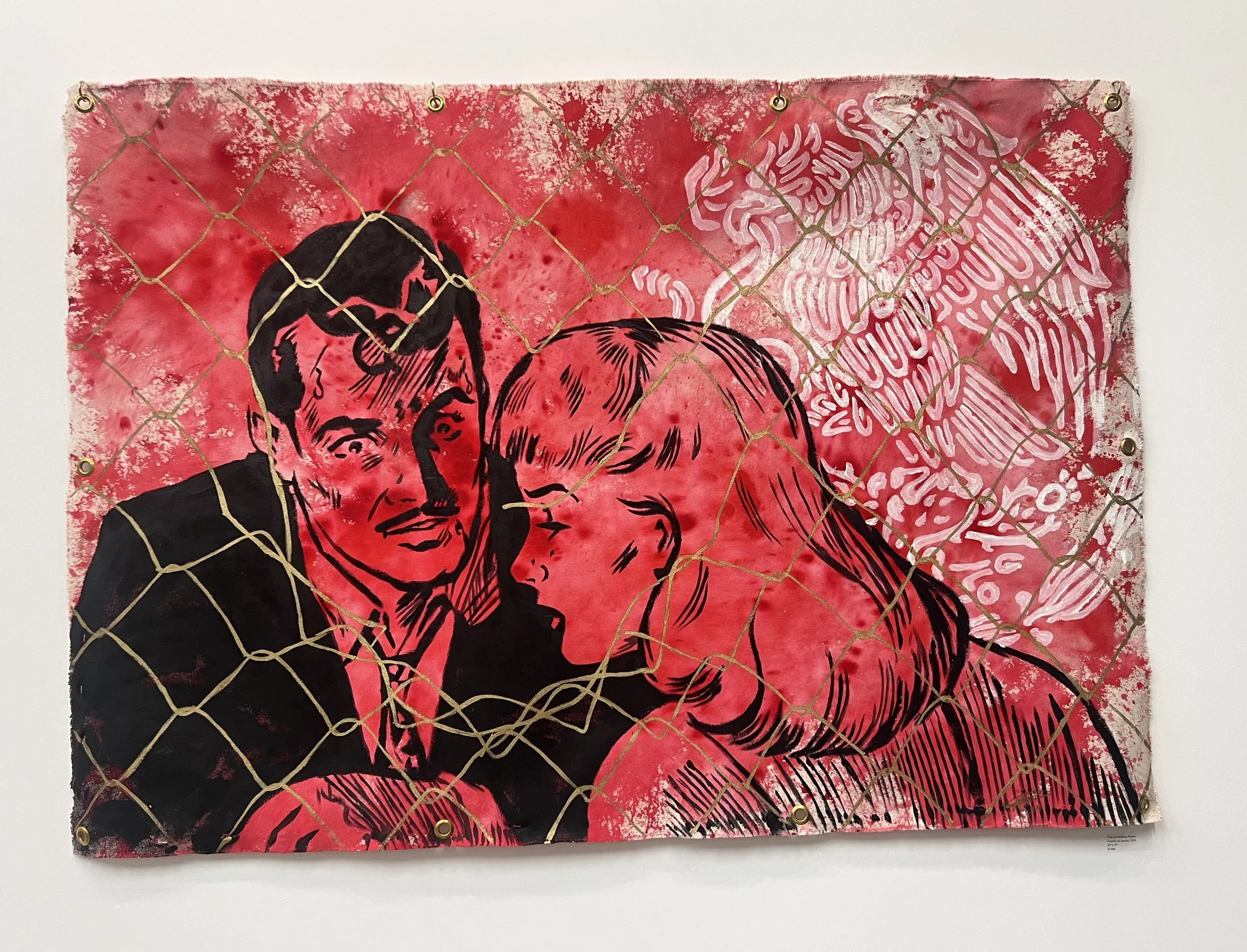
Hector Ornelas
I mostly paint but recently have been experimenting with sculpture. My Works focuses on identity and belonging. I’m a first generation Mexican American. I use my work to explore both cultures and identities. Creating a world and lexicon of my own. Trying to carving out a space where I feel at home between both cultures and identities.
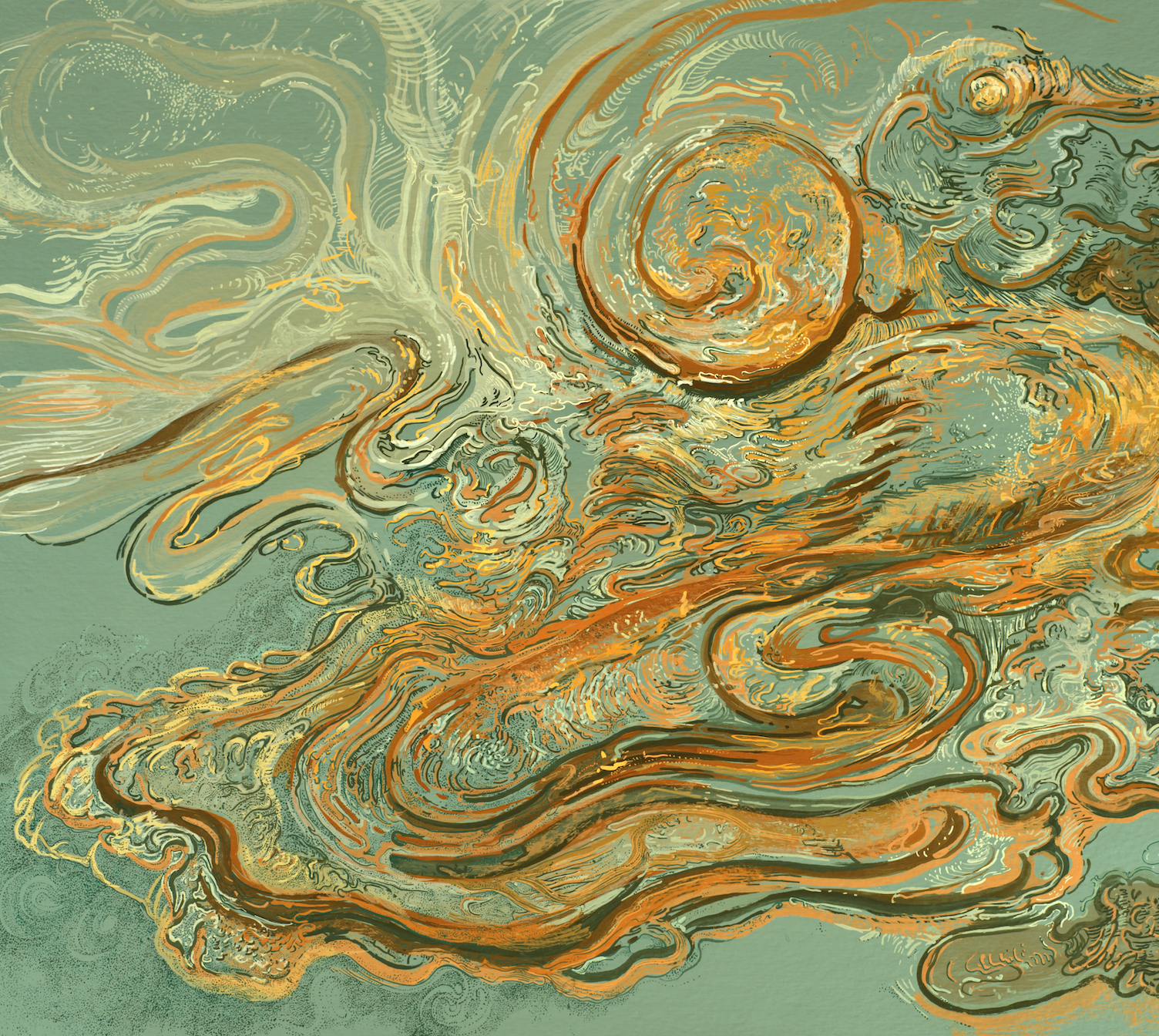
Hamilton Jones
Hamilton Jones is a visual artist primarily working in gauche on paper creating highly detailed, colorful explorations of intuitive mark making.
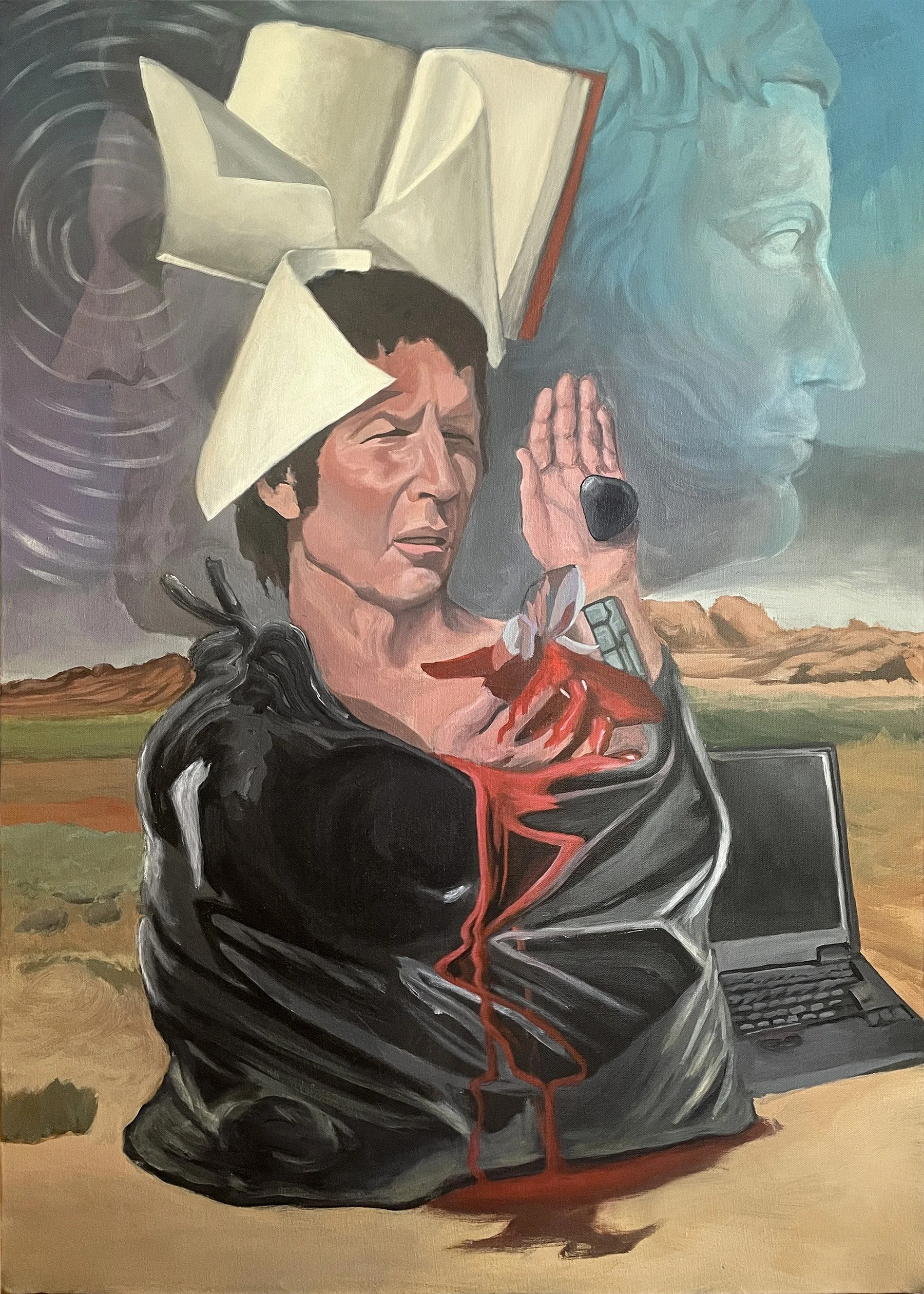
Chris Johnson
My paintings are playful, weird, witchy, and a bit corny. Much like Portland, and why I continue to love living here.
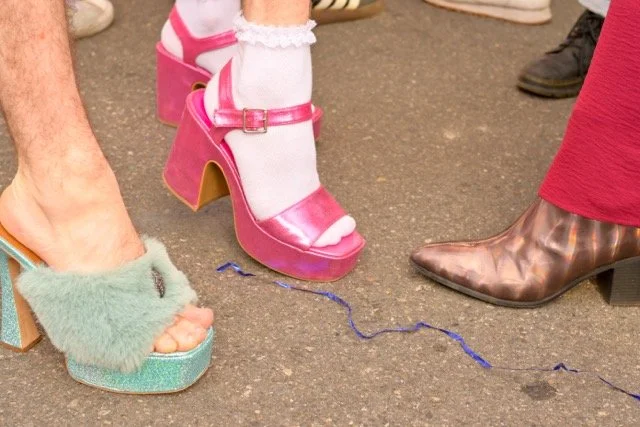
Kathryn Kucera
My photography explores themes and uplifts stories of femme and queer joy, labor, grief, ritual and community.
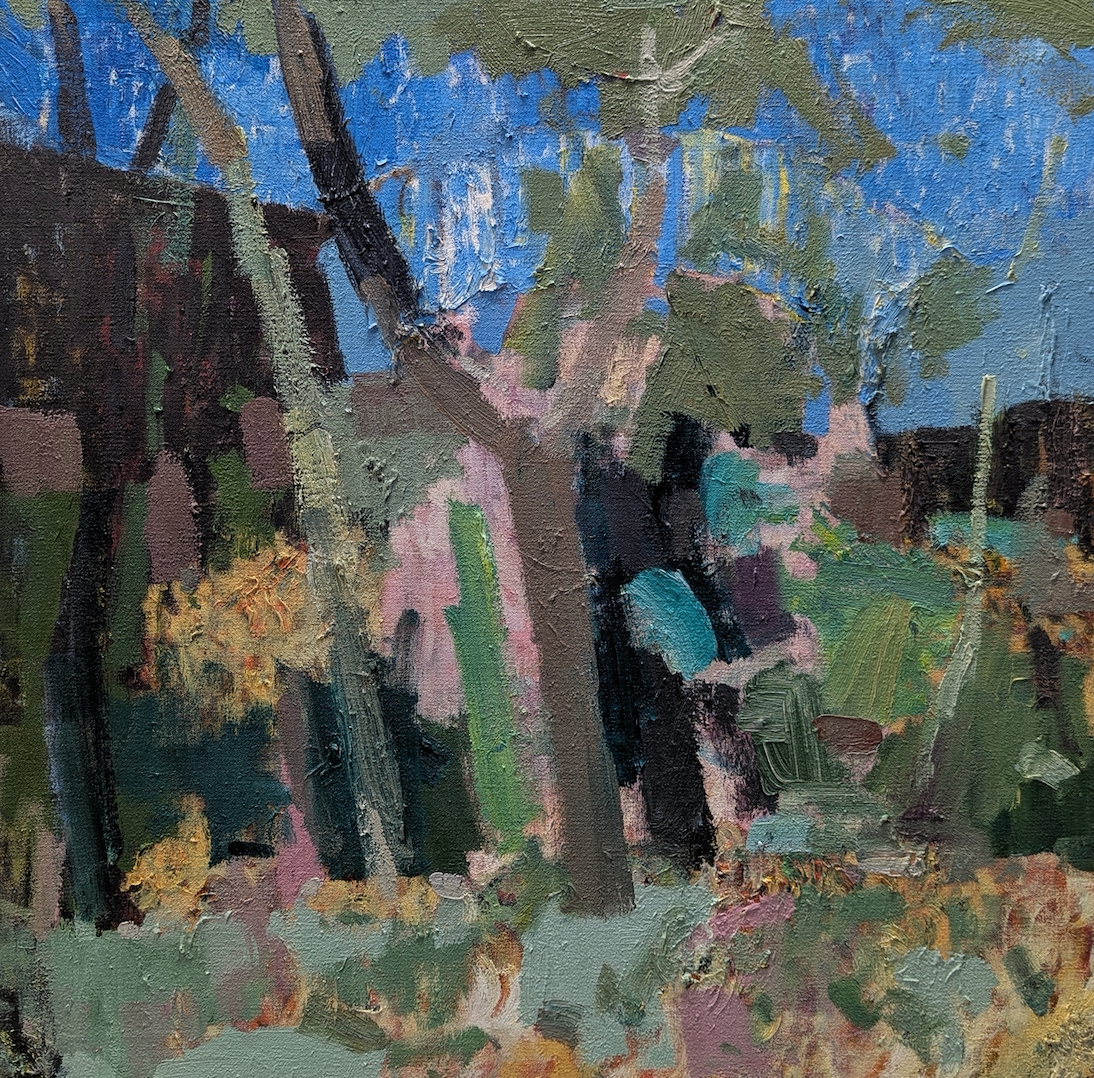
Cole Lyons
Cole is an artist, and teacher here in Portland, or. Nature is the biggest influence in his work especially now natural disasters are ever increasing with climate change. Many of his paintings are created en plein air, a process he finds deeply meditative and soothing. He loves connecting and being mindful, out in the beautiful landscapes that we all call home. Cole reminds us with his art of the importance of the landscapes, preserving and cherishing these precious environments. Cole is an acrylic and oil painter, and he also draws daily in his sketchbook. His appreciation for art stems from a blend of deliberate design and intuitive expression.
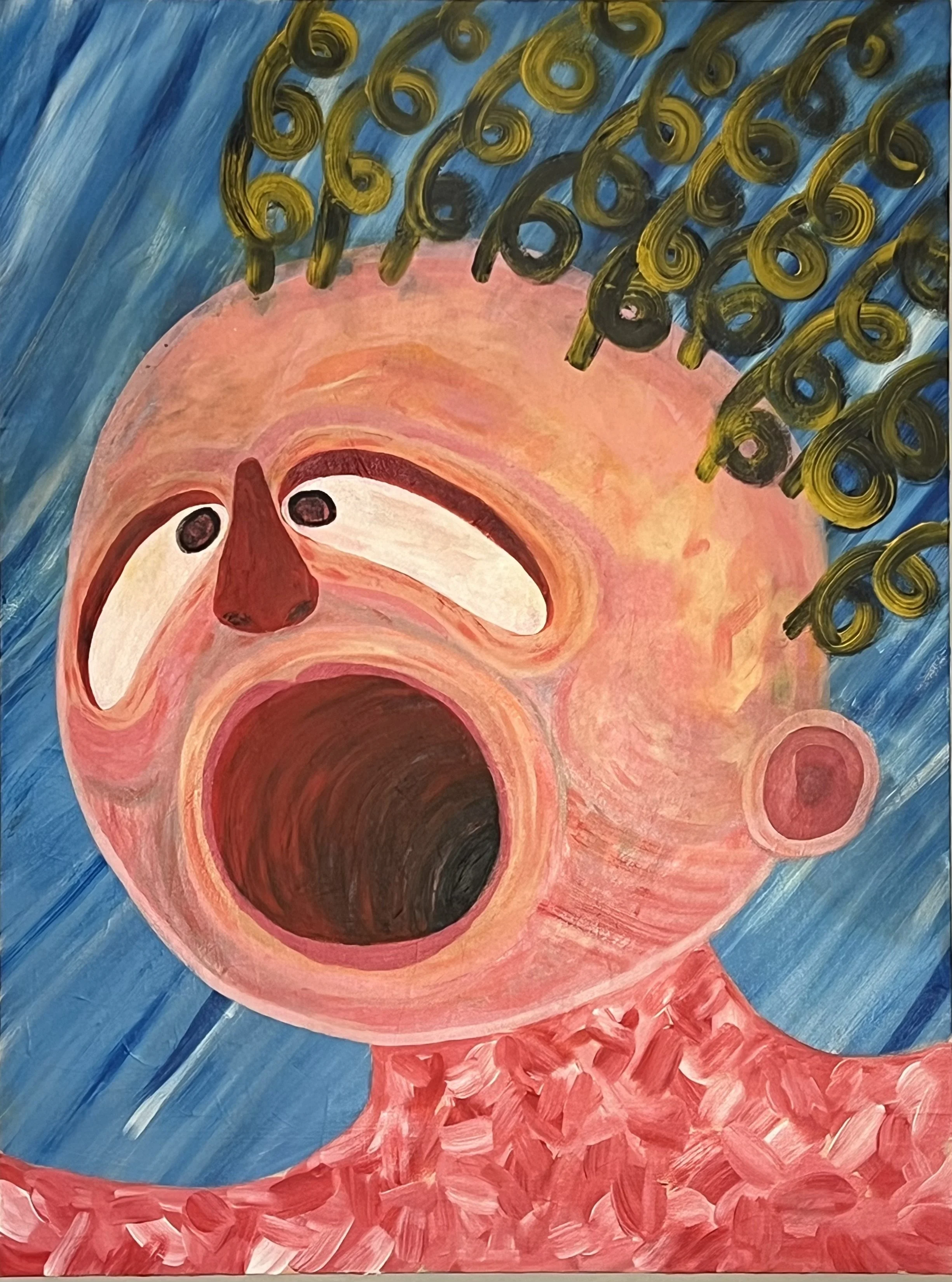
Zachary Hanks
My work focuses on the connection between the physical body and our own perceptions of how we have historically inhabited these forms. Ideas of sex, gender, and queerness are prevalent and seen as meat. Our bodies as meat. Cartoonish imagery and bright colors are used to confront our horror and fascination with the control of bodies, the ones we live in and the ones that we try to govern., attempting to grapple with our own meatiness.
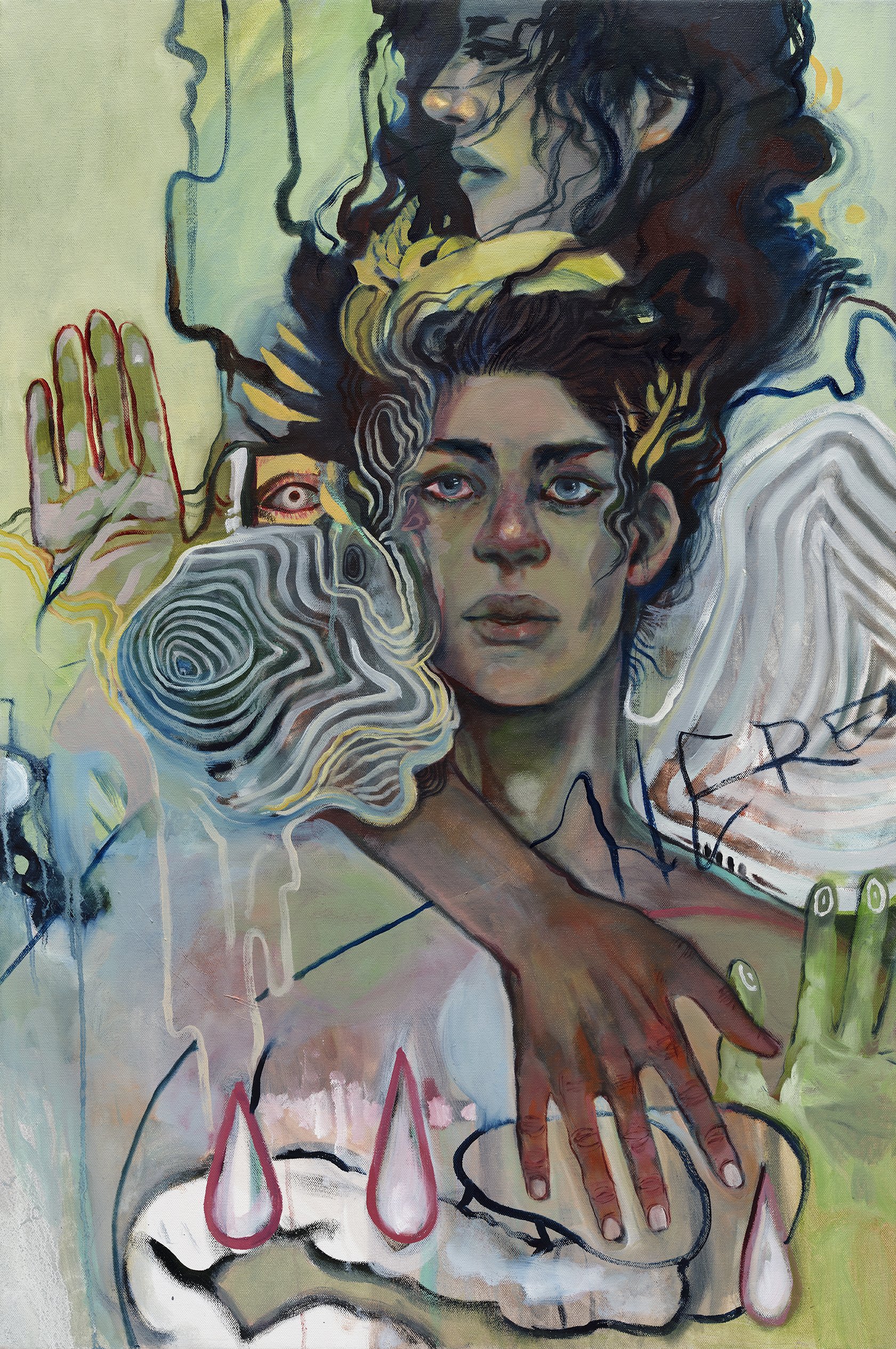
Emily Quintero
Quintero focuses on capturing the human experience. Their work is largely surreal, freeform, and conversational with the canvas. They have a deep love for portraiture and weave in abstract and figurative elements to convey complex emotional states.
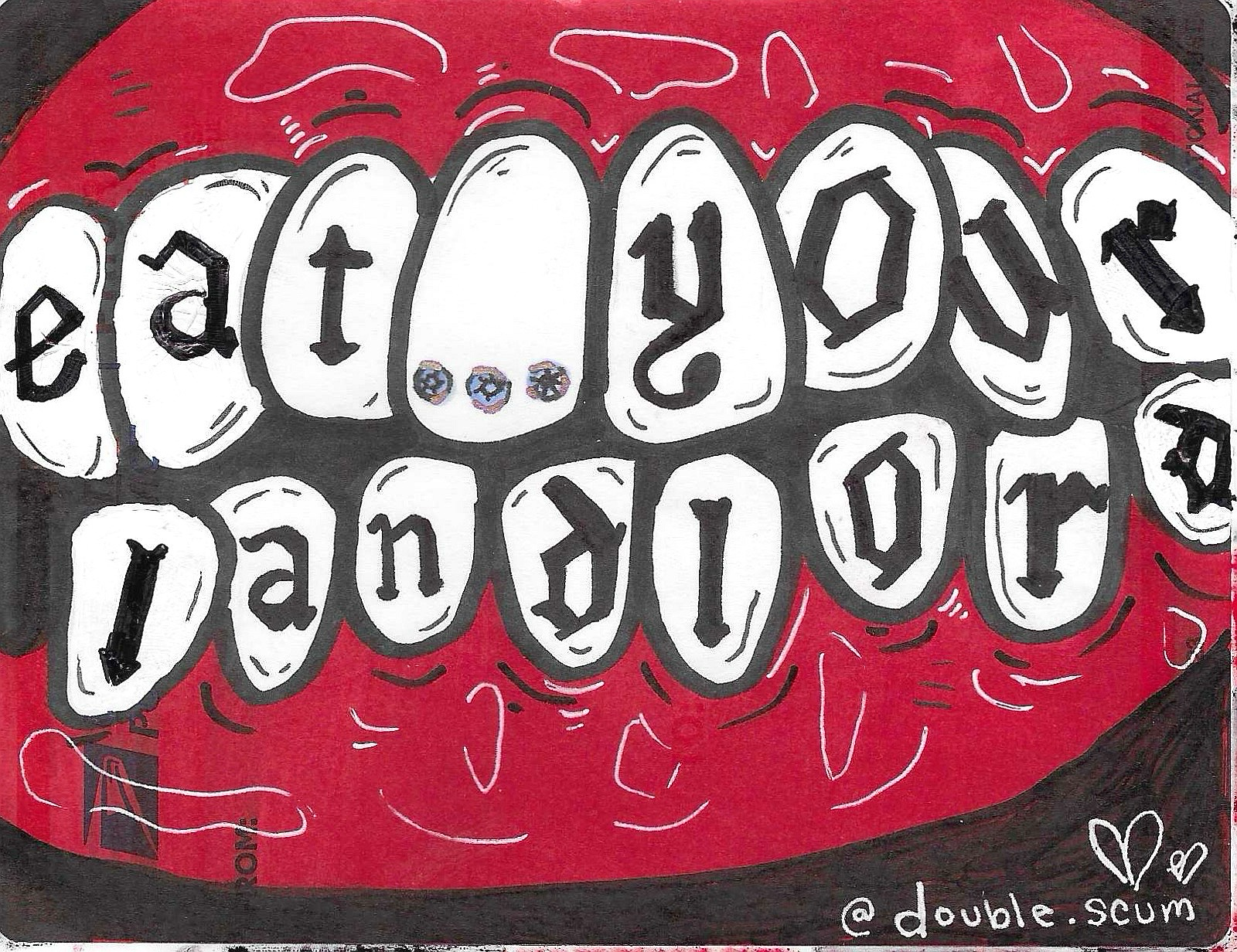
Guppy Neville
My work blends traditional tattooing styles and all of the cutesy stuff that traditional tattooing historically rejects. When I began my art career, there was not a place for femme queer people in the traditional scene, so most of my art bloomed out of a sense of grief and rebellion against the Traddy Daddy scene. The pieces combine stark, harsh lines and shapes with campy fantastical subject matter. You can expect to see tons of classic tattoo motifs and lots of sultry highlights.
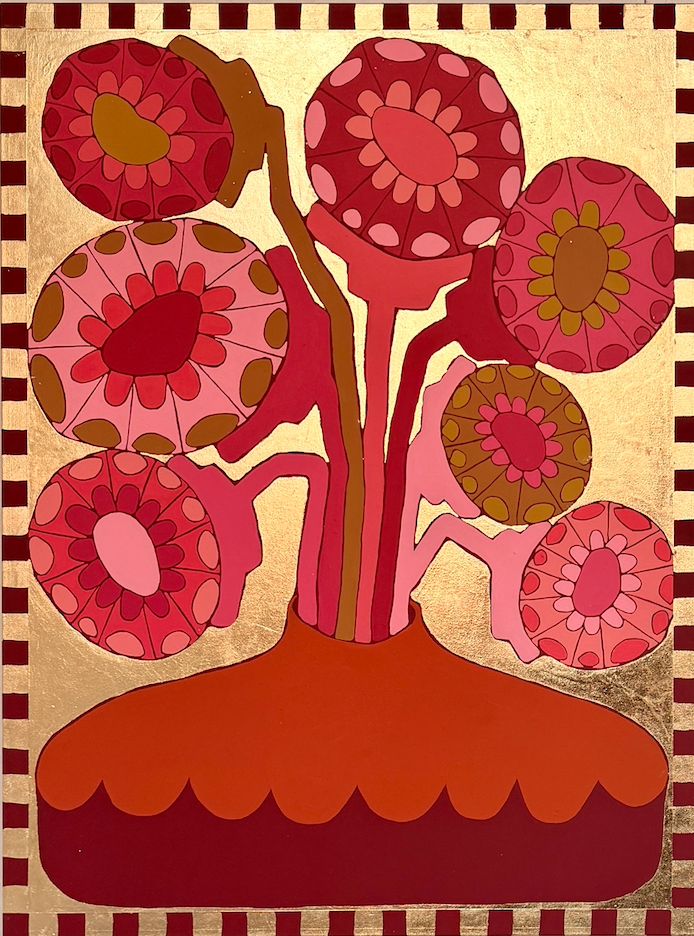
Anna Collard
My current fascination is with the patterns and influence of color found within flowers—the way their shapes, repetitions, and unexpected combinations can communicate something before we even understand why. This collection is inspired by floriography, the Victorian language of flowers, and the idea that flowers can carry emotions, stories, and messages beyond words. Through vibrant color, playful forms, pattern, and tactile elements, I reinterpret these natural and symbolic forms through my own visual language. Each piece explores the space between personal memory and shared symbolism, leaving room for the viewer to find their own meaning within the work.
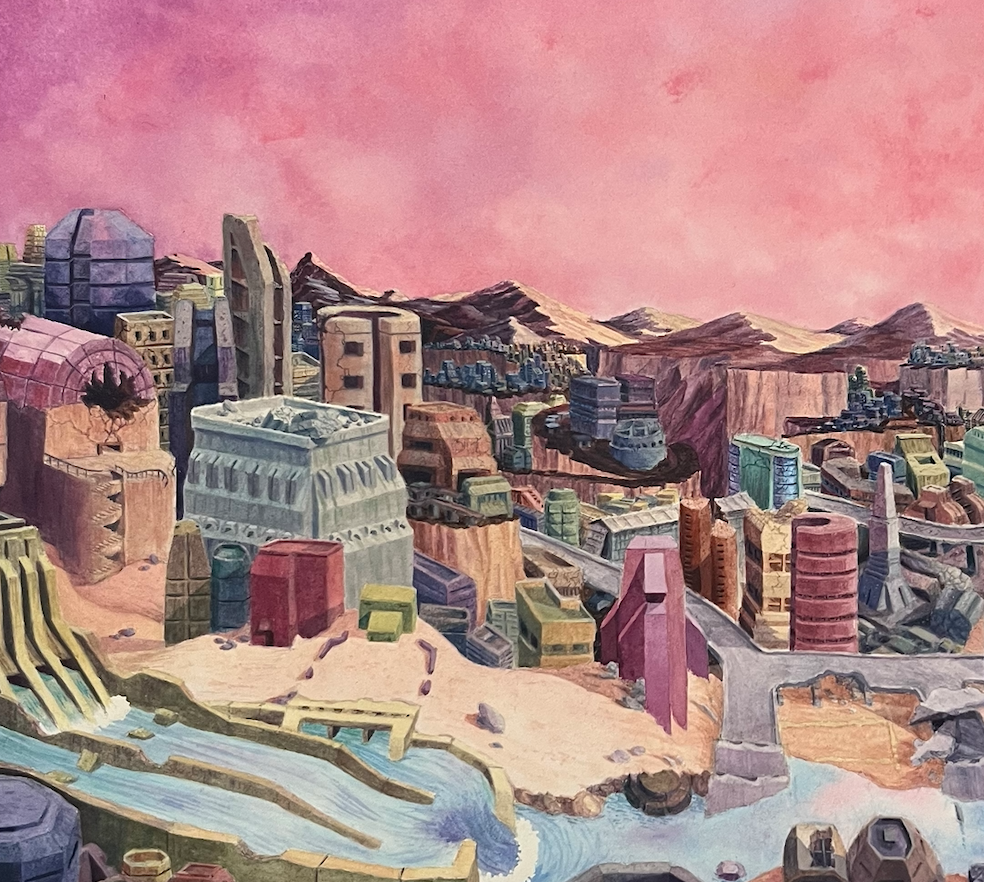
Devin Vincent
My landscapes are backgrounds for animations that I create — dreamscapes that explore grief and loss.
The paintings are done in acrylic, then I scan them into a computer and use a program to complete the animation.
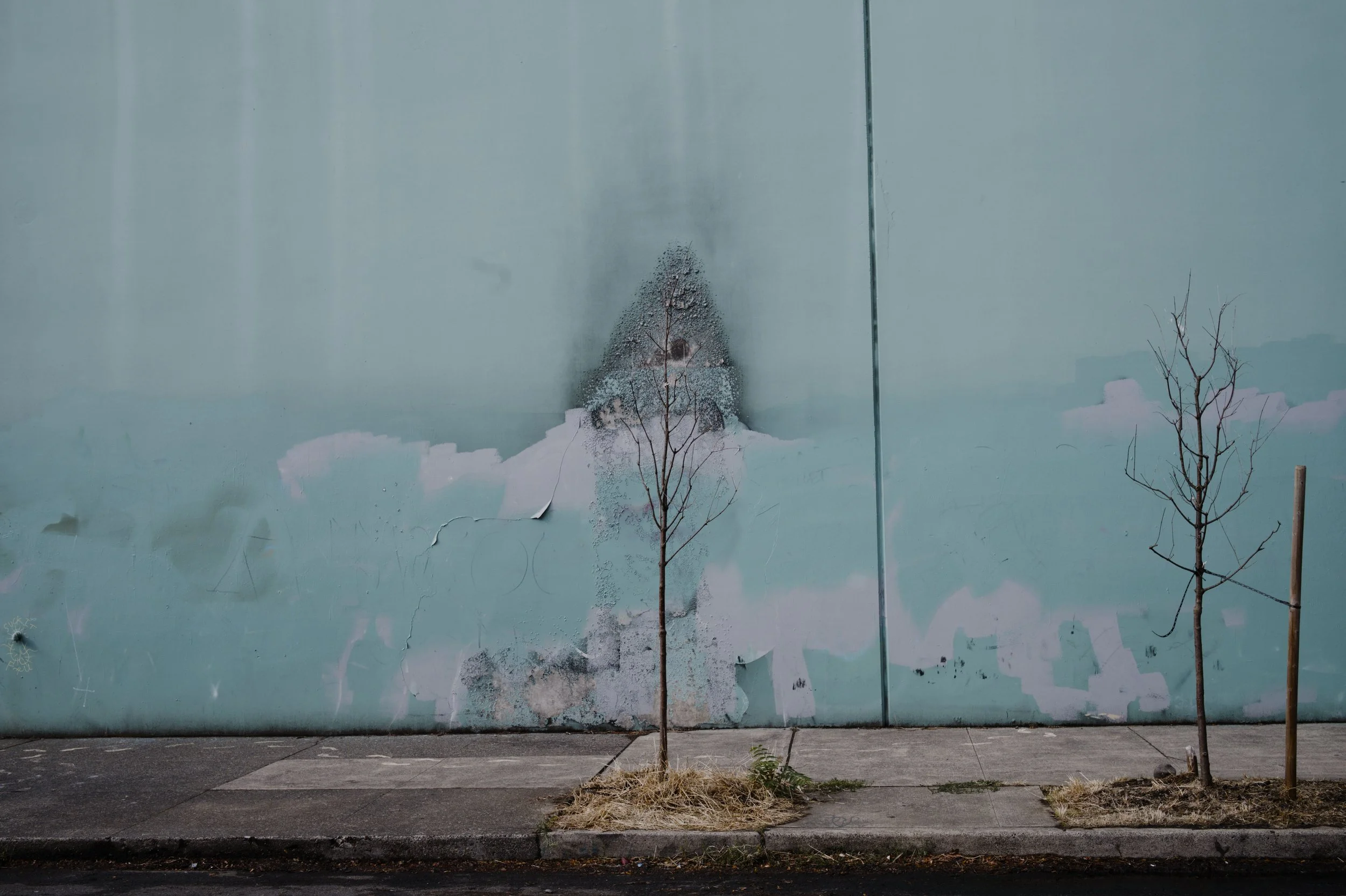
Alex Erickson
Erickson’s work focuses on the cityscape when no one is present. Beautiful, haunting images of urban decay, his images capture the unease and desperation of an empire in rapid decline.
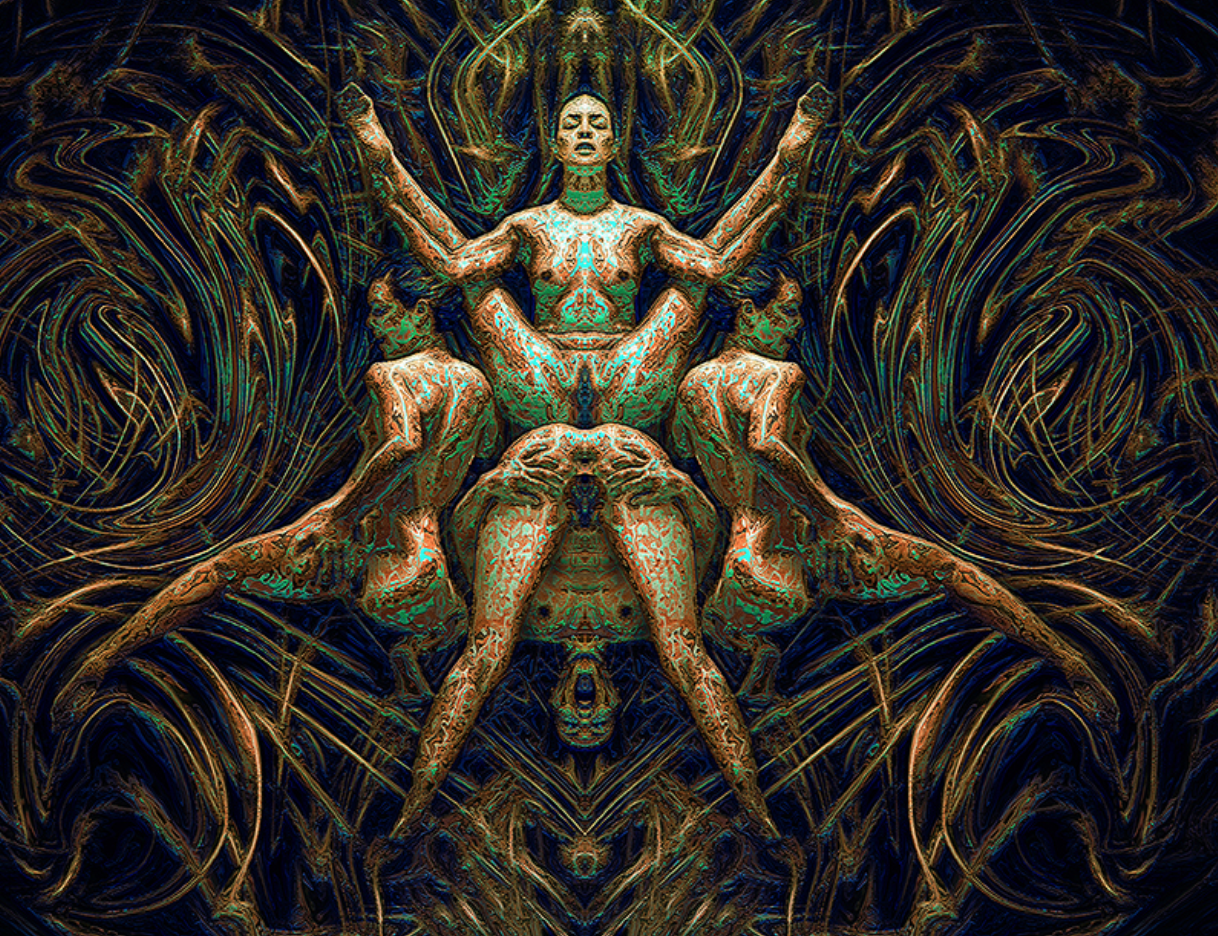
Than Monk
Than Monk is a multimedia artist practicing many forms of creative expression, including sculpture, painting, costume design, digital art, photography, boat building, musical instrument fabrication, and graphic design. He is also a chef, singer, poet, insect collector, and general know-it-all. His artistic themes range from the unusual to the extreme, incorporating diverse influences such as scientific display, grotesque representation, religious iconography, and erotic symbolism. Through his work, he seeks to enrich awareness and experience, challange cultural norms, and cultivate deeper understanding of identity and personal relations.
The Touch Art event was the collective effort of several art groups and curators coming together to shine a light on some of the artists that make our city great. For our contribution, 4ARTSAKE enlisted the efforts of curators Ellen Blazich, Ro Hebert, Riley Parker, Megan Chin, Zach Werbalowsky, & Nick Hash.